Sickle Cell Clinic Helps Pediatric Patients Receive Specialized Treatment Close to Home
February 20, 2026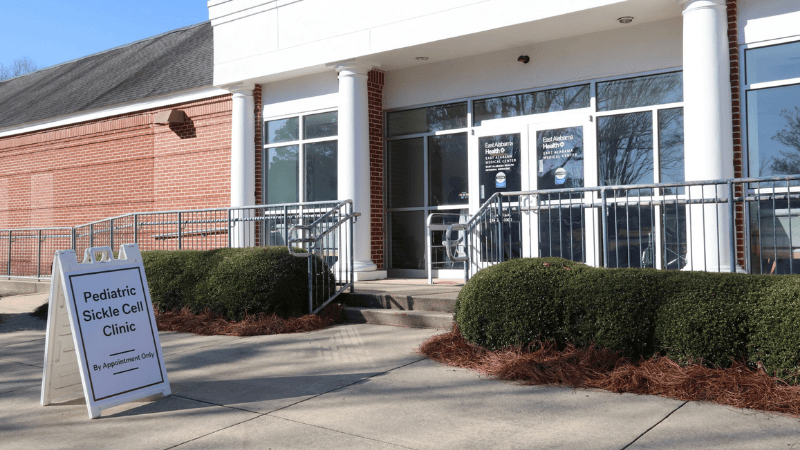
Tags: Sickle Cell Disease
OPELIKA, Ala.—Every two months, East Alabama Health (EAH) provides staff and space to work in collaborative effort with a team from UAB Medicine to provide compassionate, comprehensive care to children living with sickle cell disease. The team generally consists of one doctor, three nurse practitioners and an ultrasound tech from UAB, while EAH provides two pediatric nurses, Angie Kirkland and Payton Tatum, and a child life specialist.
The clinic is conducted six times a year and serves as a vital resource for families across the state, including from as far away as Dothan. It offers ongoing monitoring through lab work and ultrasounds, as well as education and emotional support for families without requiring them to travel to Birmingham.
Sickle cell disease is a common inherited blood disorder that affects how red blood cells function. Instead of remaining soft and flexible, some cells become rigid and sickle‑shaped, which can block blood flow and lead to episodes of pain, fatigue and other serious complications.
The condition affects nearly 100,000 Americans, with about 90 percent of them being African American and three-to-nine percent being Hispanic. Roughly 1 in every 365 African Americans face a sickle cell diagnosis. For pediatric patients, consistent access to specialized care is crucial for preventing complications and supporting long‑term health.
East Alabama Health’s Sickle Cell Clinic—which sees about 20 patients every other month—offers that continuity and provides for care for patients in Lee, Chambers and Macon counties as well as other counties in the region. The clinic’s multidisciplinary team offers medical evaluations, education on disease management, and approachable explanations to help children understand their condition.
Child life specialists also work closely with families and young patients to make each visit as comfortable as possible, offering coloring books, engaging activities and highly anticipated prizes after appointments.
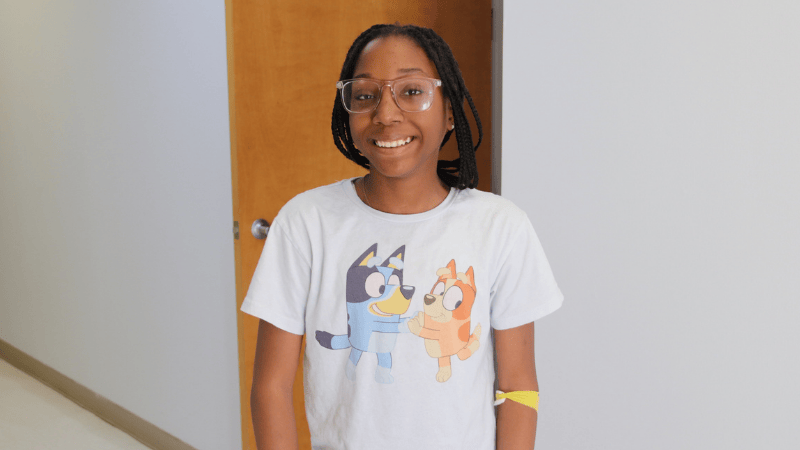
For patients like Destiny Johnson, a 12‑year‑old who was diagnosed with sickle cell disease as an infant, the clinic has become a familiar and encouraging environment.
“I actually like it here,” she said with a laugh. “I actually like getting the shots. Well, really, I like getting the stuff (prizes) after the shots.”
Destiny credits her bravery when it comes to receiving the shots not just to the prizes afterward, but the necessity of facing your fears.
“After I started to come every few months, I said ‘yeah, I’m going to have to overcome my fear,’” she said. “And look at me now, not afraid of shots at all.”
Destiny was initially treated at UAB meaning she and her mother drove to Birmingham every three months before being assigned to the Auburn‑based clinic.
A major focus of the clinic is empowering patients with knowledge and confidence.
“Many children come in afraid at first, which is completely understandable, but as they get comfortable with the clinic team and the routine, you can see that fear shift into confidence,” said Madison Ard, a certified child life specialist at East Alabama Health. “It’s incredibly meaningful to see kids who once needed lots of support walk in and out feeling calm, capable and proud of themselves.”
In addition to medical care and emotional support, the clinic aims to help families navigate the complexities of living with sickle cell disease by providing education, resources and connections to ongoing community support.
-###-
About East Alabama Health
East Alabama Health encompasses East Alabama Medical Center in Opelika, EAMC-Lanier Rural Emergency Hospital in Valley, East Alabama Medical Center North in Opelika, the Spencer Cancer Center in Opelika, the Auburn Medical Pavilion and a host of other key medical clinics and practices that help provide a continuum of care to patients throughout an 11-county area. EAMC is a 316-bed regional referral hospital. EAMC-Lanier Rural Emergency Hospital provides emergency and outpatient services while its campus also features a nursing home and an ambulatory surgery center. East Alabama Health employs about 4,100 people and is the second largest employer in the region, trailing only Auburn University.